

Subaru Reliability: Why Subaru Vehicles Are Known to Last
Subaru Reliability: Why Subaru Vehicles Are Known to Last
When shoppers research long-lasting vehicles, one brand consistently appears near the top of the conversation: Subaru. From snowy mountain towns to daily commutes and enthusiast builds, Subaru has earned a reputation for reliability, durability, and real-world performance. But what actually makes Subaru reliable? Is it marketing hype, or is there proven engineering behind the reputation?
This in-depth guide explores Subaru reliability from every angle—engineering, real-world longevity, maintenance costs, common issues, and how Subaru compares to competitors. Whether you’re considering your first Subaru or you’re a long-time owner, this guide will help you understand why Subaru reliability continues to stand out.
What Does Reliability Mean for Subaru Owners?
Vehicle reliability isn’t just about avoiding breakdowns. For Subaru owners, reliability means:
-
Engines that last 200,000–300,000+ miles
-
Drivetrains that perform consistently in all conditions
-
Predictable maintenance schedules
-
Dependability in harsh climates
-
Long-term ownership value
Subaru vehicles are designed to be used, not just admired. Their reliability shows up on icy roads, dirt trails, family road trips, and daily commutes alike.
Subaru’s Core Engineering Philosophy
Subaru builds vehicles differently than most manufacturers. Instead of chasing trends, the brand has focused on a small number of core technologies refined over decades.
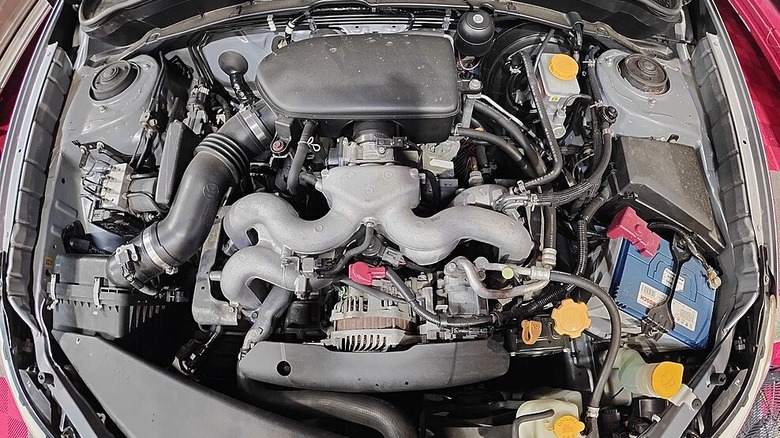
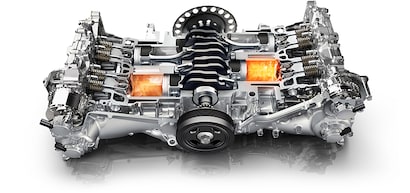
Horizontally Opposed (Boxer) Engines
One of Subaru’s defining features is its boxer engine design. Unlike inline or V-style engines, Subaru boxer engines lie flat, with pistons moving horizontally.
Reliability benefits include:
-
Lower center of gravity
-
Reduced engine vibration
-
Better weight balance
-
Less stress on engine mounts
Because this engine layout has been refined over decades, Subaru has deep engineering experience that translates into long-term durability.
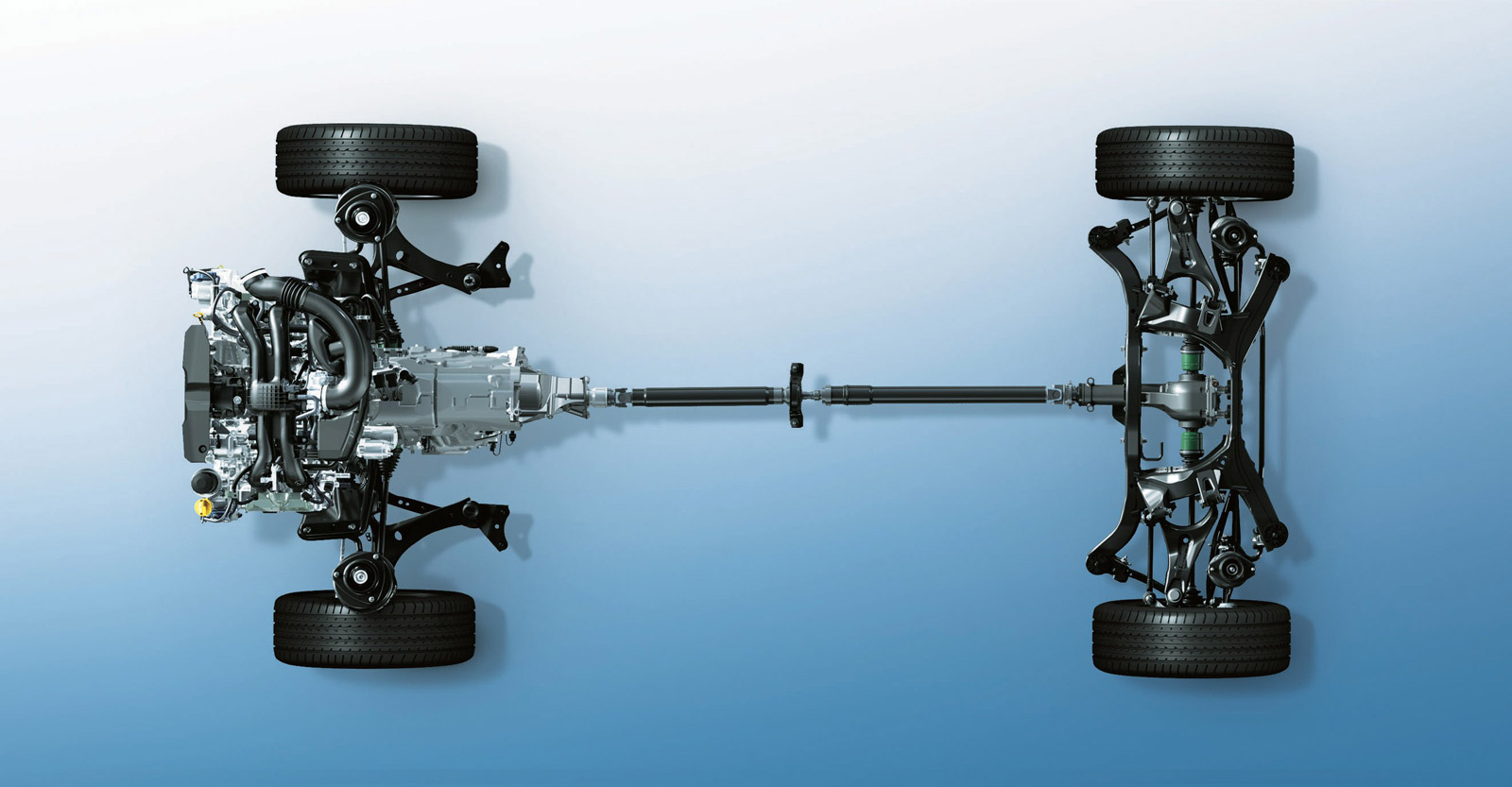
Symmetrical All-Wheel Drive (AWD)
Most Subaru vehicles come standard with Symmetrical AWD, a system designed for balance and consistency rather than complexity.
Why this improves reliability:
-
Even power distribution reduces drivetrain stress
-
Fewer sudden traction losses
-
Consistent handling in rain, snow, and dirt
-
Less wear on individual components
Subaru’s AWD systems are known for longevity because they’re always active, not reactive systems that engage only when traction is lost.
Real-World Subaru Longevity
Subaru reliability isn’t theoretical—it’s proven on the road.
High-Mileage Subaru Vehicles
It’s common to find Subarus with:
-
200,000 miles still running strong
-
Original engines and transmissions
-
Daily-driven reliability with routine maintenance
Many owners report that their Subaru becomes more trustworthy over time as they learn its maintenance needs.
Subaru Owner Loyalty
Subaru consistently ranks among the highest in owner loyalty, meaning buyers frequently return to the brand. This loyalty is driven largely by trust—people buy Subaru again because their previous one lasted.
Common Subaru Reliability Concerns (And the Truth)
No vehicle brand is perfect. Subaru reliability is strong overall, but transparency matters.
Head Gasket Issues (Older Models)
Older naturally aspirated Subaru engines (especially early 2000s) were known for head gasket problems.
Important context:
-
Largely resolved in newer generations
-
Improved gasket materials and designs
-
Proper cooling system maintenance significantly reduces risk
Modern Subarus no longer suffer from this issue at the same scale.
CVT Transmissions
Some Subaru models use Continuously Variable Transmissions (CVTs).
Reliability facts:
-
Smooth driving experience
-
Requires proper fluid maintenance
-
Longevity improves significantly with scheduled servicing
Well-maintained Subaru CVTs regularly exceed 150,000–200,000 miles.
Maintenance: The Key to Subaru Reliability
Subarus reward owners who follow maintenance schedules.
Routine Maintenance That Matters
To maximize Subaru reliability:
-
Regular oil changes (especially critical for boxer engines)
-
Coolant system checks
-
CVT fluid service
-
Differential fluid changes
-
Spark plug replacement at intervals
Subaru maintenance is predictable, not excessive—making long-term ownership affordable.
Cost of Ownership
Compared to many AWD competitors, Subaru ownership costs remain reasonable.
Why:
-
Fewer complex luxury systems
-
Proven mechanical designs
-
Strong aftermarket support
-
Widely available parts
Subaru balances capability and simplicity, which helps control costs over time.
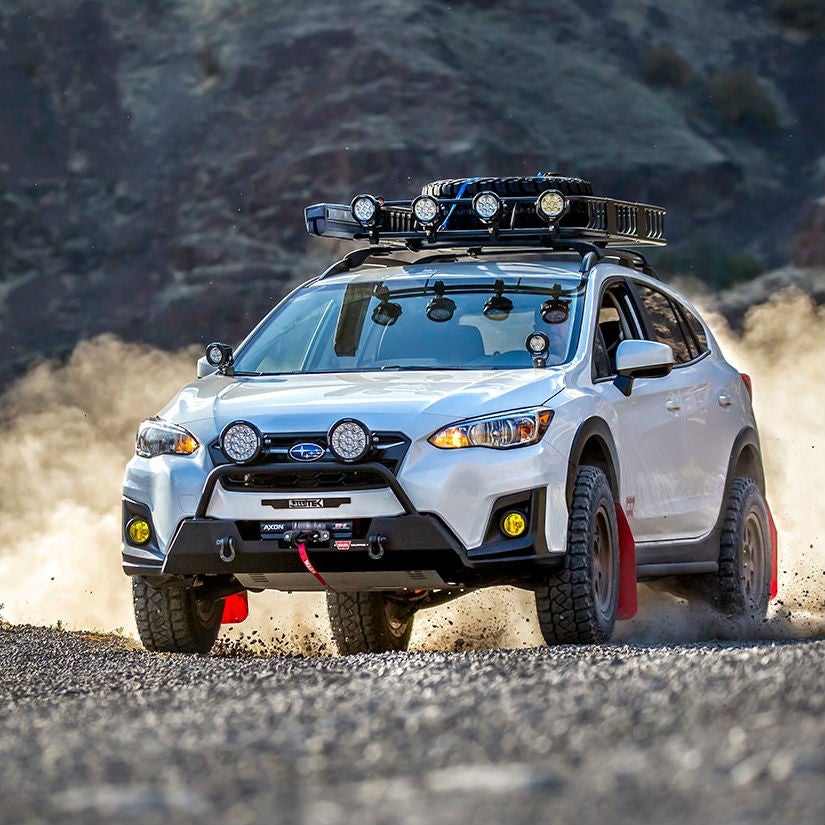
Subaru Reliability in Harsh Conditions
Subaru vehicles are famous in regions with:
-
Heavy snow
-
Mountain roads
-
Gravel and dirt terrain
-
Rain-heavy climates
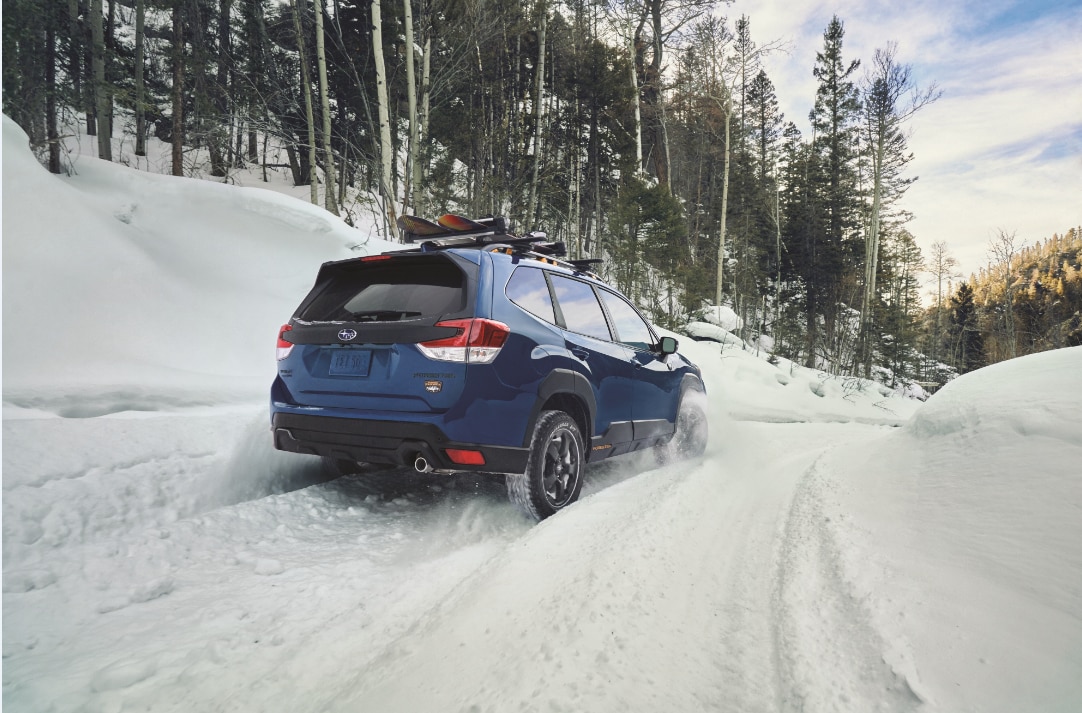

Cold Weather Performance
Subarus are exceptionally reliable in winter because:
-
AWD is always active
-
Boxer engines warm evenly
-
Stable traction prevents drivetrain shock
This makes Subaru a favorite in northern states and mountainous regions.
Subaru Safety and Reliability Go Hand-in-Hand
Reliability also means protecting occupants.
Subaru EyeSight Technology
Modern Subarus include EyeSight driver-assist technology, improving long-term safety reliability by reducing accident risks.
Features include:
-
Adaptive cruise control
-
Lane keep assist
-
Pre-collision braking
Fewer accidents = fewer repairs = longer vehicle lifespan.
Subaru vs Other Brands: Reliability Comparison
When compared to competitors like Toyota, Honda, and Mazda, Subaru holds its own.
Where Subaru Excels
-
AWD reliability
-
All-weather performance
-
Long-term durability
-
Owner loyalty
Where Subaru Is Average
-
Fuel economy (AWD tradeoff)
-
Interior luxury (focus on function)
Subaru prioritizes function over flash, which directly contributes to reliability.
Performance Models and Reliability
Subaru performance vehicles often get a bad reputation due to aggressive driving—but the reliability story depends on ownership.
Stock vs Modified
-
Stock Subaru engines are highly reliable
-
Poor tuning and aggressive modifications reduce longevity
-
Quality parts and conservative tuning preserve reliability
Responsible enthusiasts routinely enjoy long-lasting performance Subarus.
Subaru Reliability Ratings and Industry Recognition
Subaru consistently scores above average in:
-
Long-term dependability studies
-
Owner satisfaction surveys
-
Safety and durability rankings
Industry recognition reinforces real-world owner experiences.
How Long Do Subarus Last?
With proper care, many Subarus reach:
-
200,000 miles with minimal repairs
-
300,000 miles with diligent maintenance
-
Decades of service in demanding conditions
Longevity is a defining Subaru trait.
Why Subaru Reliability Attracts Enthusiasts and Families
Subaru bridges two worlds:
-
Enthusiasts who value mechanical integrity
-
Families who value safety and dependability
Few brands manage both successfully.
Environmental Responsibility and Reliability
Subaru also emphasizes sustainability:
-
Long-lasting vehicles reduce waste
-
Efficient manufacturing processes
-
Strong resale value extends vehicle lifecycles
A reliable car is inherently more environmentally responsible.
Tips to Maximize Subaru Reliability
If you own or plan to buy a Subaru:
-
Follow maintenance schedules religiously
-
Use quality fluids and parts
-
Address small issues early
-
Avoid neglecting cooling systems
-
Keep AWD components serviced
These habits dramatically increase lifespan.
Final Verdict: Is Subaru Reliable?
Yes—Subaru is one of the most reliable brands for real-world driving.
Its combination of:
-
Proven boxer engines
-
Symmetrical AWD
-
Practical design philosophy
-
Strong safety systems
-
Loyal owner base
…makes Subaru a standout for drivers who value longevity over trends.
Conclusion: Subaru Reliability Is Earned, Not Marketed
Subaru’s reliability isn’t built on luxury features or flashy technology. It’s built on engineering consistency, real-world testing, and long-term trust. From snowy roads to high-mileage commutes, Subaru vehicles continue to prove their durability year after year.
For drivers who want a vehicle that works as hard as they do—and keeps going long after others quit—Subaru remains one of the smartest, most reliable choices on the road.